A failing water pump in your vehicle can lead to serious issues if not addressed promptly. The water pump plays a crucial role in maintaining the proper circulation of coolant throughout the engine, helping to regulate its temperature and prevent overheating. Recognizing the signs of a failing water pump can save you from costly repairs and potential engine damage. Here are some key indicators to watch out for:
Unusual Noise Coming from the Engine
One of the first signs of a failing water pump is an unusual noise coming from the engine. You may hear a whining or grinding sound, which could indicate that the bearings inside the water pump are worn out. This noise is often more noticeable when the engine is running, and it may increase in intensity as the pump continues to deteriorate. Ignoring this warning sign can lead to complete pump failure, resulting in coolant leaks and engine overheating.
Coolant Leaks
Another common sign of a failing water pump is coolant leaks. You may notice puddles of coolant forming beneath your vehicle or see a trail of coolant along the engine block. Coolant leaks can be caused by a damaged or worn-out water pump seal, which can no longer contain the coolant within the pump housing. If left unchecked, coolant leaks can lead to engine overheating and potential damage to other components in the cooling system.
Engine Overheating
Engine overheating is a serious issue that can be caused by a failing water pump. When the water pump is no longer functioning properly, coolant circulation is disrupted, leading to an imbalance in the engine’s temperature regulation. If you notice that your temperature gauge is consistently reading higher than normal or if you see steam coming from the engine compartment, it is crucial to address the issue immediately. Continuing to drive with an overheating engine can cause severe damage and may even result in engine failure.
Visible Corrosion or Rust on the Water Pump
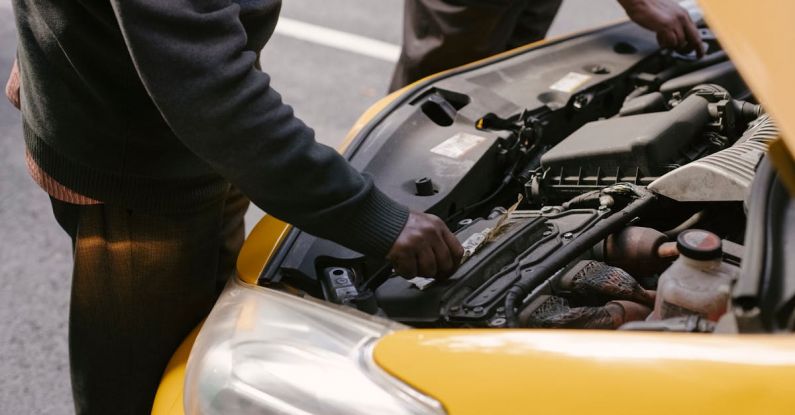
Inspecting the water pump for visible signs of corrosion or rust can help you identify a potential problem before it escalates. Corrosion can weaken the pump housing and impeller, leading to leaks and reduced coolant circulation. Rust on the water pump may indicate that the coolant is not effectively performing its job of protecting the metal components from oxidation. If you notice any signs of corrosion or rust on the water pump, it is advisable to have it inspected by a professional mechanic to determine if a replacement is necessary.
Loss of Coolant Without Visible Leaks
If you find that your vehicle is losing coolant without any visible leaks, it could be a sign of a failing water pump. The internal seals of the water pump may be worn out, allowing coolant to escape without leaving traces on the ground. In this case, the coolant loss may be gradual, but over time, it can lead to engine overheating and potential damage. Monitoring your coolant levels regularly can help you detect this issue early on and prevent more significant problems down the line.
Conclusion: Be Proactive in Addressing Water Pump Issues
Recognizing the signs of a failing water pump is essential for maintaining the health and performance of your vehicle. By being proactive in addressing these issues, you can prevent costly repairs and potential engine damage. If you experience any of the warning signs mentioned above, it is crucial to have your water pump inspected by a qualified mechanic and address any necessary repairs promptly. Taking care of your vehicle’s cooling system is key to ensuring its longevity and reliability on the road.