
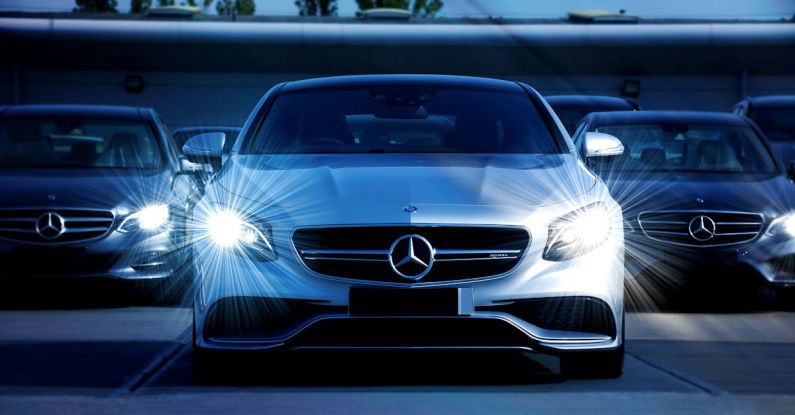
When it comes to choosing the right headlights for your vehicle, there are a variety of options available on the market. Halogen and HID headlights are two popular choices that offer different benefits and drawbacks. Understanding the differences between these two types of headlights can help you make an informed decision when it comes to upgrading your vehicle’s lighting system.
**Halogen Headlights**
Halogen headlights have been a standard option in vehicles for many years. They are known for their affordability and ease of replacement. Halogen bulbs contain a tungsten filament that is enclosed in a glass tube filled with halogen gas. When the headlights are turned on, the filament heats up and produces light. One of the key advantages of halogen headlights is their cost-effectiveness. They are typically less expensive to purchase and replace compared to other types of headlights.
In terms of brightness, halogen headlights are not as bright as some other types of headlights, such as HID or LED. They provide a warm, yellowish light that may not be as crisp or clear as the light produced by other types of bulbs. Additionally, halogen bulbs have a shorter lifespan compared to HID bulbs, typically lasting around 450-1,000 hours.
**HID Headlights**
HID (High-Intensity Discharge) headlights, also known as xenon headlights, are a more advanced lighting option that offers several benefits over halogen bulbs. HID bulbs contain xenon gas and two electrodes that produce an arc of light when an electrical current is passed through them. One of the main advantages of HID headlights is their brightness. They produce a bright, white light that closely resembles natural daylight, providing better visibility on the road.
HID headlights are also more energy-efficient than halogen bulbs, meaning they consume less power while producing more light. This efficiency can result in improved fuel economy for your vehicle. Additionally, HID bulbs have a longer lifespan compared to halogen bulbs, lasting anywhere from 2,000 to 10,000 hours.
**Color Temperature**
One of the key differences between halogen and HID headlights is the color temperature of the light they produce. Halogen headlights typically emit a warm, yellowish light with a color temperature of around 3,200 Kelvin. In contrast, HID headlights produce a bright, white light with a color temperature of around 4,500 to 6,000 Kelvin. The higher color temperature of HID headlights can help improve visibility, especially in low-light conditions.
**Installation and Compatibility**
When it comes to installation, both halogen and HID headlights can be installed in most vehicles with some modifications. However, HID headlights may require additional components, such as ballasts and wiring harnesses, to operate properly. These components can add to the overall cost of upgrading to HID headlights.
**Which One Should You Choose?**
When deciding between halogen and HID headlights, it ultimately comes down to your personal preferences and budget. If you are looking for a cost-effective option that is easy to replace, halogen headlights may be the right choice for you. However, if you prioritize brightness, energy efficiency, and a longer lifespan, HID headlights may be worth the investment.
**In Summary**
In conclusion, the main differences between halogen and HID headlights lie in their brightness, color temperature, energy efficiency, and lifespan. While halogen headlights are more affordable and easier to replace, HID headlights offer superior brightness and energy efficiency. Consider your priorities and budget when choosing between these two types of headlights to ensure you find the best option for your vehicle.