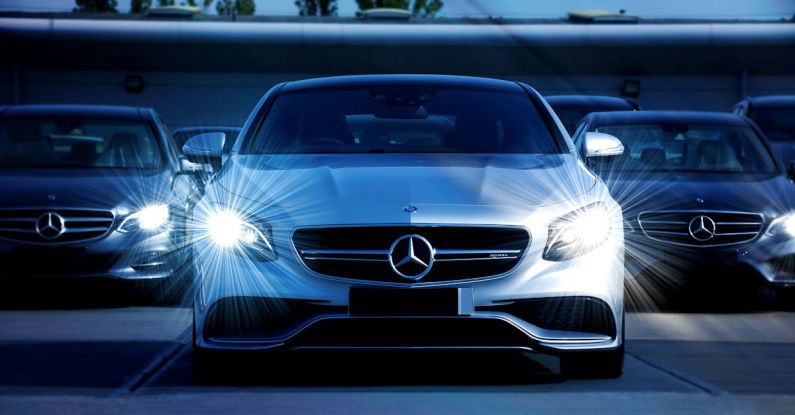

Picture this: you’re driving down a dimly lit road at night, struggling to see what’s ahead. Your headlights just aren’t cutting it, leaving you squinting and straining your eyes to make out any obstacles in your path. If this scenario sounds familiar, it might be time to consider upgrading to LED headlights. LED technology has revolutionized the automotive industry, offering a brighter, more efficient, and longer-lasting lighting solution for your vehicle. In this article, we’ll explore the benefits of making the switch to LED headlights.
Enhanced Visibility
One of the most significant advantages of upgrading to LED headlights is the improved visibility they provide. LED lights emit a bright, white light that closely resembles natural daylight, making it easier to see road signs, pedestrians, and other vehicles in low-light conditions. This enhanced visibility can help reduce eye strain and fatigue, making nighttime driving safer and more comfortable for you and your passengers.
Energy Efficiency
LED headlights are far more energy-efficient than traditional halogen or xenon bulbs. They require less power to operate while still producing a brighter light output. This energy efficiency not only reduces the strain on your vehicle’s electrical system but also helps to improve fuel economy. By upgrading to LED headlights, you can enjoy a more sustainable and cost-effective lighting solution for your vehicle.
Longevity
LED headlights have a significantly longer lifespan compared to traditional bulbs. While halogen bulbs typically last around 500-1,000 hours and xenon bulbs last approximately 2,000 hours, LED headlights can last up to 30,000 hours or more. This extended lifespan means you’ll spend less time and money on replacing burnt-out bulbs, allowing you to enjoy reliable and long-lasting lighting for years to come.
Durability
LED headlights are more durable and resistant to vibrations than traditional bulbs. The solid-state construction of LED lights makes them less prone to damage from road vibrations and shocks, ensuring they can withstand the rigors of daily driving. This durability means you won’t have to worry about your headlights failing when you need them most, providing you with peace of mind on the road.
Instant On/Off
Unlike traditional bulbs that require time to reach full brightness, LED headlights provide instant on/off functionality. This rapid response time means your headlights will illuminate immediately when switched on, allowing you to see clearly without any delay. Additionally, LED lights can be cycled on and off frequently without impacting their lifespan, making them ideal for situations where you need to quickly turn your lights on and off.
Customization Options
LED headlights offer a wide range of customization options to suit your preferences and style. From different color temperatures to unique designs, LED lights allow you to personalize the look of your vehicle while enhancing its overall appearance. Whether you prefer a cool white light or a warmer hue, LED headlights give you the flexibility to create a lighting setup that complements your vehicle’s aesthetics.
Increased Safety
The improved visibility provided by LED headlights can help enhance safety on the road. With better illumination of the road ahead, you’ll be able to react more quickly to potential hazards and avoid accidents. LED lights also have a more focused beam pattern, reducing glare for oncoming drivers and creating a more comfortable driving experience for everyone on the road.
In conclusion, upgrading to LED headlights offers a multitude of benefits, including enhanced visibility, energy efficiency, longevity, durability, instant on/off functionality, customization options, and increased safety. By making the switch to LED headlights, you can enjoy a brighter, more reliable, and more efficient lighting solution for your vehicle. So why settle for dim and outdated headlights when you can upgrade to the superior performance of LED technology? Make the change today and see the road ahead in a whole new light.