A car’s thermostat is a vital component that helps regulate the engine’s temperature, ensuring optimal performance and preventing overheating. If you’ve noticed your car running hot or your heater not working properly, it may be time to replace the thermostat. While this task may sound daunting, with the right tools and a bit of know-how, you can easily tackle it yourself and save money on costly repairs.
Locating the Thermostat
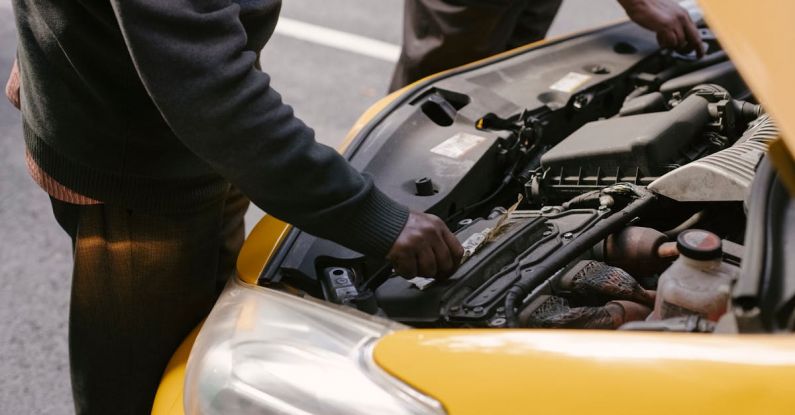
The thermostat in most cars is located between the engine and the radiator, typically housed in a metal housing connected to the engine by a hose. To locate the thermostat, consult your vehicle’s manual or look up the specific location online based on your car’s make and model. Once you’ve found the thermostat, make sure the engine is cool before proceeding.
Gathering the Tools
Before starting the replacement process, gather the necessary tools. You will likely need a socket wrench set, a new thermostat, a gasket or sealant, a container for coolant drainage, and fresh coolant to refill the system. It’s also a good idea to have some rags or paper towels on hand to clean up any spills.
Draining the Coolant
To begin the replacement process, you’ll need to drain the coolant from the system. Place the container under the radiator drain plug, typically located at the bottom of the radiator. Open the drain plug and allow the coolant to flow out. Once the coolant has drained completely, close the drain plug securely.
Removing the Thermostat Housing
Using the socket wrench set, carefully remove the bolts holding the thermostat housing in place. Once the bolts are removed, gently pull the housing away from the engine to access the old thermostat.
Replacing the Thermostat
Remove the old thermostat from the housing and take note of its orientation. Install the new thermostat in the same position, ensuring it is facing the correct way. If your thermostat uses a gasket, make sure it is properly positioned and secure. If you are using sealant, apply it according to the manufacturer’s instructions.
Reassembling the Thermostat Housing
Carefully reattach the thermostat housing to the engine, making sure it is properly aligned. Secure the housing in place by tightening the bolts with the socket wrench set. Be careful not to overtighten the bolts, as this can damage the housing.
Refilling the Coolant
With the thermostat replaced and the housing reattached, it’s time to refill the coolant system. Pour fresh coolant into the radiator until it reaches the recommended level. Start the engine and let it run for a few minutes to allow the coolant to circulate. Check the coolant level again and top up if necessary.
Testing the Thermostat
After replacing the thermostat and refilling the coolant, it’s essential to test the system to ensure everything is functioning correctly. Start the engine and monitor the temperature gauge to see if it stays within the normal range. Additionally, turn on the heater to check if it is blowing hot air.
Ensuring a Proper Seal
If you notice any leaks or the temperature gauge continues to rise, it may indicate a faulty seal or improper installation of the thermostat. In this case, you may need to disassemble the housing and thermostat to recheck the seal and ensure everything is correctly aligned.
Maintaining Your Car’s Thermostat
Regular maintenance of your car’s thermostat is essential to prevent overheating and costly repairs down the line. Be sure to check your thermostat periodically for any signs of wear or malfunction and replace it as needed. By staying proactive and addressing any issues promptly, you can keep your car running smoothly and efficiently.
In conclusion, replacing a car’s thermostat is a manageable task that can be done with a bit of patience and the right tools. By following these steps and taking proper precautions, you can ensure your engine stays cool and your car runs smoothly. Remember to consult your vehicle’s manual for specific instructions and seek professional help if needed.