Maintaining your car’s cooling system is crucial to ensure your engine runs smoothly and efficiently. Over time, coolant can become contaminated or lose its effectiveness, leading to potential overheating issues. Flushing and refilling your car’s cooling system is a simple yet essential maintenance task that can help prevent costly repairs down the road. In this guide, we’ll walk you through the steps to properly flush and refill your car’s cooling system.
Check Your Owner’s Manual
Before you begin the flushing and refilling process, it’s essential to consult your car’s owner’s manual. The manual will provide specific instructions for your make and model, including the type of coolant recommended and the capacity of your cooling system. Make sure to follow these guidelines closely to avoid any potential damage to your vehicle.
Gather Your Supplies
To flush and refill your car’s cooling system, you’ll need a few key supplies:
– Coolant
– Distilled water
– Funnel
– Drain pan
– Rags or towels
– Socket wrench set
– Hose (optional)
Preparing Your Vehicle
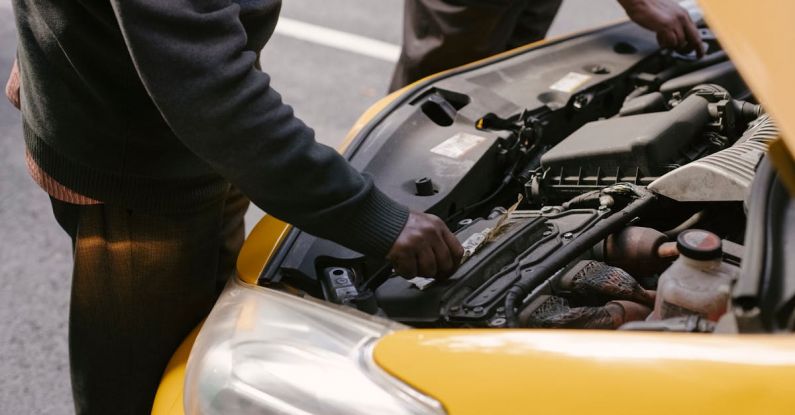
Start by ensuring that your engine is cool before beginning the flushing process. This will prevent any accidental burns from hot coolant. Park your car on a level surface and engage the parking brake for safety. Pop the hood and locate the radiator, coolant reservoir, and radiator cap.
Draining the Coolant
Place the drain pan under the radiator drain plug to catch the old coolant. Use a socket wrench to loosen the drain plug and allow the coolant to drain completely. Once the coolant has drained, tighten the drain plug securely.
Flushing the System
After draining the old coolant, it’s time to flush the cooling system. Some car owners opt to use a commercial coolant flush solution, while others simply use a mixture of distilled water and coolant. Follow the instructions on the coolant flush solution if you choose to use it.
Refilling the System
Once the system has been flushed, it’s time to refill it with fresh coolant. Use a mixture of coolant and distilled water as recommended by your owner’s manual. Slowly pour the coolant mixture into the radiator using a funnel to prevent spills. Continue pouring coolant until the radiator is full.
Bleeding the System
To remove any air bubbles from the cooling system, you’ll need to bleed it. Start the engine with the radiator cap off and allow it to run until the thermostat opens. This will help release any trapped air in the system. Once the thermostat opens, top off the radiator with more coolant as needed.
Checking for Leaks
After bleeding the system, it’s crucial to check for any leaks. Inspect the radiator, hoses, and connections for any signs of coolant leakage. If you notice a leak, address it promptly to prevent further issues.
Monitoring Coolant Levels
Finally, monitor your coolant levels regularly to ensure your car’s cooling system is functioning correctly. Check the coolant reservoir and top off as needed to maintain the proper level.
In conclusion,
Flushing and refilling your car’s cooling system is a straightforward maintenance task that can help prolong the life of your engine. By following these steps and consulting your owner’s manual, you can ensure your car stays cool and running smoothly for miles to come. Regular maintenance of your cooling system is key to preventing overheating issues and costly repairs. So, set aside some time to give your car the care it deserves by flushing and refilling its cooling system.