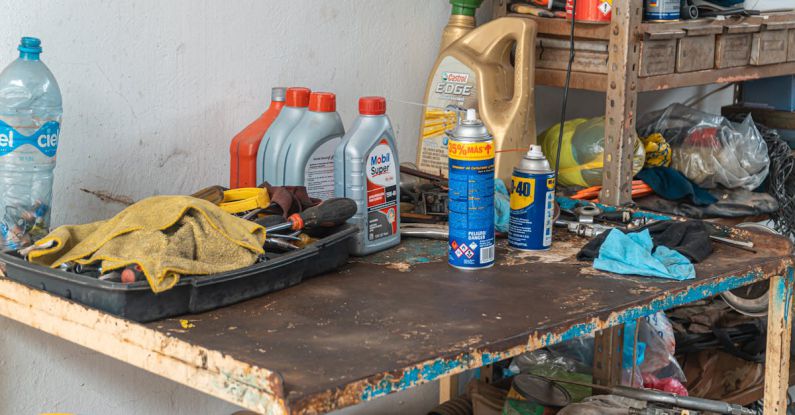

Maintaining your car’s fluids is crucial for ensuring its optimal performance and longevity. Regularly checking and topping up essential fluids such as oil, coolant, brake fluid, power steering fluid, and windshield washer fluid is a simple yet effective way to keep your vehicle running smoothly. By incorporating this routine into your regular maintenance schedule, you can identify potential issues early on and prevent costly repairs down the road.
### Why Checking Your Car’s Fluids Is Important
Proper fluid levels are essential for the various systems in your car to function correctly. Each fluid serves a specific purpose, from lubricating moving parts to cooling the engine and ensuring safe braking. Neglecting to monitor these fluids can lead to serious mechanical problems and even safety hazards while driving. By taking a few minutes to inspect and top up your car’s fluids regularly, you can significantly extend the lifespan of your vehicle and avoid unexpected breakdowns.
### Engine Oil
Engine oil is often referred to as the lifeblood of your car’s engine. It lubricates the moving parts, reduces friction, and helps dissipate heat. To check your oil level, park your car on a level surface, wait for the engine to cool down, locate the dipstick, pull it out, wipe it clean, reinsert it fully, and then pull it out again to check the oil level. If the level is below the recommended mark, add the appropriate grade of oil to top it up.
### Coolant
Coolant, also known as antifreeze, plays a vital role in regulating the temperature of your engine and preventing it from overheating. To check your coolant level, make sure the engine is cold, locate the coolant reservoir, and visually inspect the fluid level. If the level is low, add a mixture of coolant and water to the reservoir to maintain the proper ratio.
### Brake Fluid
Brake fluid is responsible for transmitting the force from the brake pedal to the braking system, allowing you to stop safely. To check your brake fluid level, locate the brake fluid reservoir under the hood, ensure the fluid is between the minimum and maximum marks, and top it up if necessary with the recommended type of brake fluid specified in your car’s manual.
### Power Steering Fluid
Power steering fluid enables you to steer your car with ease by reducing the effort needed to turn the steering wheel. To check your power steering fluid level, locate the reservoir, ensure the fluid is at the correct level, and add more fluid if needed. Be sure to use the type of fluid recommended by the manufacturer to prevent damage to the power steering system.
### Windshield Washer Fluid
Windshield washer fluid helps keep your windshield clean and clear, ensuring optimum visibility while driving. To check the level of washer fluid, locate the reservoir under the hood or in the trunk, and add more fluid if it is low. Regularly topping up your washer fluid will prevent streaks and smudges on your windshield, improving your overall driving experience.
### In Summary
Regularly checking and topping up your car’s fluids is a simple yet essential aspect of vehicle maintenance. By monitoring the levels of engine oil, coolant, brake fluid, power steering fluid, and windshield washer fluid, you can prevent mechanical issues, improve performance, and enhance safety on the road. Incorporating this quick and easy task into your routine maintenance schedule will help you keep your car running smoothly for years to come. Stay proactive and attentive to your car’s fluids to ensure a hassle-free driving experience.