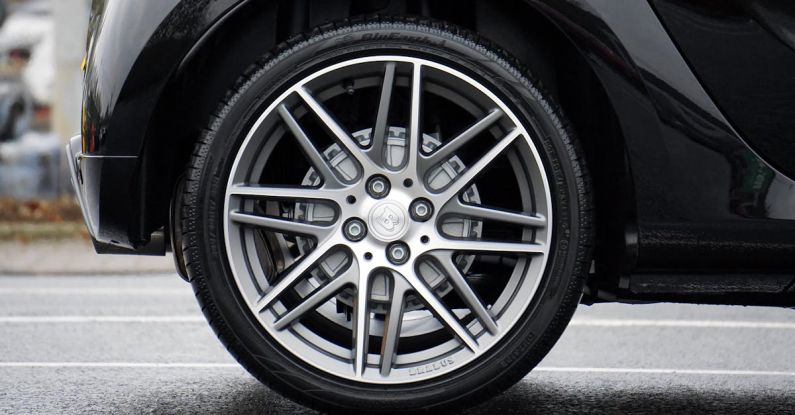

When it comes to optimizing the performance of your vehicle, selecting the right wheel size is a crucial decision that can significantly impact both the aesthetics and functionality of your car. The wheel size you choose can affect various aspects of your vehicle’s performance, including handling, acceleration, braking, and overall comfort. With a multitude of options available in the market, it can be overwhelming to determine the ideal wheel size for your specific needs. In this article, we will explore the key factors to consider when choosing the right wheel size for performance.
Understanding Wheel Size Basics
Before delving into the factors influencing the selection of the right wheel size, it is essential to have a basic understanding of how wheel size is measured. The size of a wheel is typically represented by its diameter, which is measured in inches. Additionally, the width of the wheel, often measured in inches as well, is another critical dimension to consider when choosing the right wheel size for your vehicle.
Enhanced Performance with Larger Wheels
One of the primary reasons why many vehicle enthusiasts opt for larger wheels is the visual appeal they provide. Larger wheels can give your car a more aggressive and sporty look, enhancing its overall aesthetics. However, beyond the visual aspect, larger wheels can also contribute to improved performance in certain areas.
Handling and Cornering
Larger wheels are often associated with better handling and cornering capabilities. The increased diameter of the wheel means that there is a larger contact patch between the tire and the road surface. This larger contact patch can enhance traction and grip, especially during cornering maneuvers, resulting in improved stability and control.
Acceleration and Braking
In addition to handling and cornering, larger wheels can also impact acceleration and braking performance. Larger wheels are typically heavier than smaller wheels, which can affect the vehicle’s acceleration by increasing rotational mass. However, larger wheels can also accommodate larger brake components, which can enhance braking performance by providing better stopping power and heat dissipation.
Ride Comfort and Practicality
While larger wheels can offer performance benefits, it is essential to consider the trade-offs, particularly in terms of ride comfort and practicality. Larger wheels with low-profile tires have less sidewall flex, which can result in a harsher ride quality, especially on rough roads. Additionally, larger wheels can be more susceptible to damage from potholes and road imperfections, leading to increased maintenance costs.
Choosing the Right Wheel Size
When selecting the right wheel size for performance, it is crucial to strike a balance between aesthetics and functionality. Consider the following factors to make an informed decision:
1. Vehicle Compatibility: Ensure that the wheel size you choose is compatible with your vehicle’s specifications, including clearance for brakes and suspension components.
2. Performance Goals: Determine your priorities regarding performance aspects such as handling, acceleration, and braking, and choose a wheel size that aligns with your goals.
3. Tire Selection: Remember that the size of the tire mounted on the wheel will also influence performance, so choose a tire size that complements the selected wheel size.
4. Practicality: Consider your driving conditions and habits, as well as the maintenance requirements associated with larger wheels, to ensure a balance between performance and practicality.
In conclusion, choosing the right wheel size for performance involves a careful consideration of various factors to optimize both the aesthetics and functionality of your vehicle. By understanding the impact of wheel size on handling, acceleration, braking, and ride comfort, you can make an informed decision that enhances your driving experience. Remember to prioritize compatibility, performance goals, tire selection, and practicality when selecting the ideal wheel size for your vehicle.