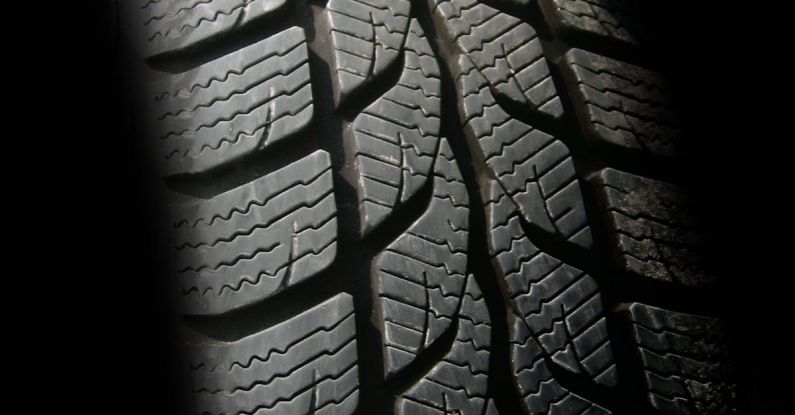

Uneven tire wear is a common issue that many drivers may not pay enough attention to until it becomes a bigger problem. Proper tire maintenance is essential for safe driving, optimal performance, and cost savings in the long run. Understanding the signs of uneven tire wear can help you identify potential issues early on and take necessary action. In this article, we will explore the various signs of uneven tire wear that you should look out for to ensure your vehicle’s tires are in good condition.
Identifying Uneven Tire Wear
Uneven tire wear refers to the condition where tires wear down at different rates across the tread surface. This can be caused by a variety of factors, including improper inflation, misalignment, suspension issues, and driving habits. Recognizing the signs of uneven tire wear is crucial in maintaining the overall health of your tires and ensuring your safety on the road.
1. Wear on One Side of the Tire
One of the most common signs of uneven tire wear is when you notice more wear on one side of the tire compared to the other. This can indicate misalignment or improper tire balancing. If you observe significantly more wear on the inner or outer edge of the tire, it may be a clear indication of alignment issues that need to be addressed promptly.
2. Cupping or Scalloped Wear
Cupping, also known as scalloped wear, appears as dips or scoops along the tread of the tire. This type of wear pattern is often caused by worn-out suspension components or improper wheel alignment. If you run your hand along the tread and feel uneven patches or scalloped edges, it’s a sign that your tires are experiencing irregular wear.
3. Feathering
Feathering is a type of wear pattern where the tread blocks on the tire are worn down unevenly. This can be identified by running your hand across the tread in one direction and then the opposite direction. If you feel smooth in one direction and rough in the other, it’s likely that your tires are feathering. This type of wear is often caused by misalignment and can lead to increased road noise and reduced traction.
4. Patchy Wear
Patchy wear occurs when certain sections of the tire have worn down more than others, creating a patchy or uneven appearance. This can be a result of improper tire rotation, suspension issues, or driving on uneven surfaces. If you notice distinct patches of wear on your tires, it’s essential to address the underlying cause promptly to prevent further damage.
5. Excessive Vibration
Uneven tire wear can also cause excessive vibration while driving, especially at higher speeds. If you feel vibrations coming from the steering wheel or the vehicle itself, it could be a sign that your tires are wearing unevenly. Ignoring these vibrations can lead to further damage to other vehicle components and compromise your safety on the road.
Taking Action to Correct Uneven Tire Wear
Maintaining proper tire care is essential to extend the lifespan of your tires and ensure a smooth and safe driving experience. If you notice any signs of uneven tire wear, it’s important to take action promptly to prevent further damage and ensure optimal performance.
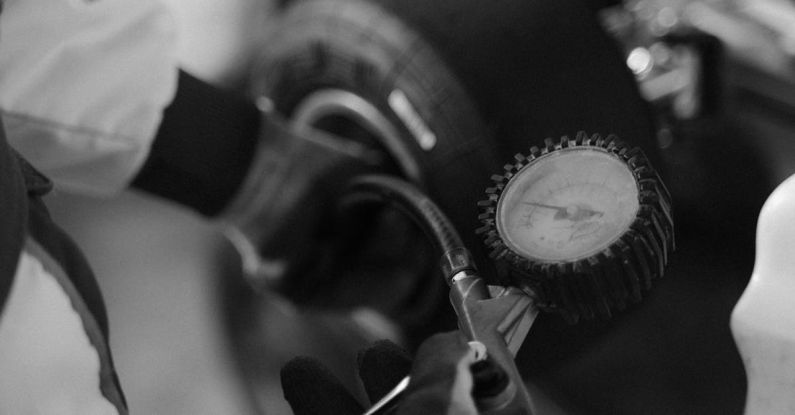
Regularly check your tire pressure and ensure they are inflated to the manufacturer’s recommended levels. Additionally, schedule regular tire rotations and alignments to prevent uneven wear patterns. Addressing any underlying issues promptly can help you avoid costly repairs and replacements in the future.
Conclusion
Being proactive in identifying and addressing signs of uneven tire wear is crucial in maintaining the safety and performance of your vehicle. By understanding the various indicators of uneven tire wear, you can take the necessary steps to correct any issues and ensure that your tires last longer and provide optimal performance on the road. Remember to monitor your tires regularly, follow recommended maintenance schedules, and seek professional help if you notice any unusual wear patterns. Prioritizing tire care will not only save you money in the long run but also contribute to a smoother and safer driving experience.