Maintaining Proper Tire Pressure for Safe and Efficient Driving
Your vehicle’s tires play a crucial role in ensuring your safety on the road. One key aspect of tire maintenance that is often overlooked is maintaining the proper tire pressure. Proper tire pressure not only ensures your safety but also improves fuel efficiency and overall performance of your vehicle. In this article, we will discuss the importance of maintaining proper tire pressure and provide you with some tips on how to do so effectively.
Importance of Proper Tire Pressure
Proper tire pressure is essential for several reasons. Firstly, it ensures optimal traction and handling, especially in adverse weather conditions. Underinflated tires can lead to poor grip on the road, increasing the risk of accidents, especially during braking and cornering. On the other hand, overinflated tires can reduce the contact patch with the road, leading to uneven wear and a harsher ride.
Secondly, maintaining the correct tire pressure can improve fuel efficiency. Underinflated tires create more rolling resistance, which causes the engine to work harder and consume more fuel. By keeping your tires properly inflated, you can save money on fuel costs and reduce your carbon footprint.
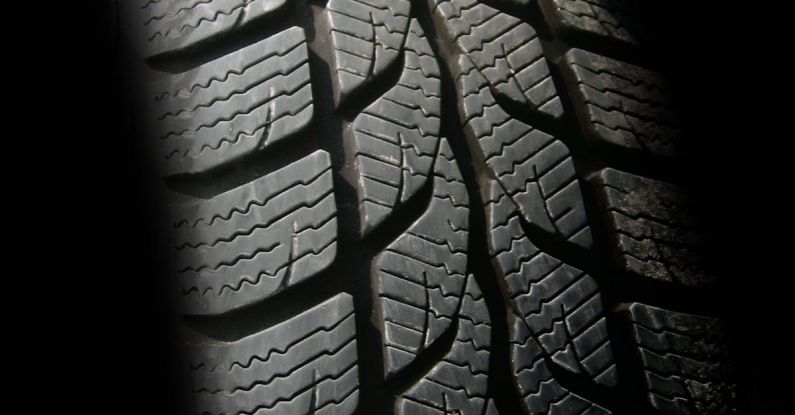
Lastly, proper tire pressure helps extend the lifespan of your tires. Underinflated tires wear out faster and are more prone to damage, such as blowouts. Overinflated tires, on the other hand, can wear out the center of the tread more quickly. By maintaining the correct tire pressure, you can ensure that your tires wear evenly and last longer.
Checking Tire Pressure
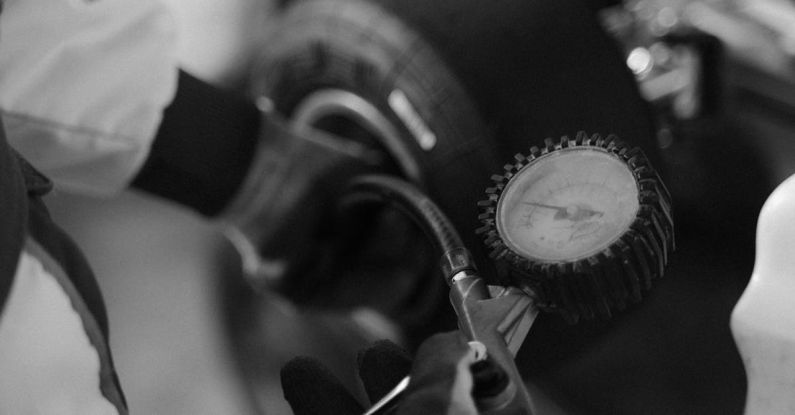
To maintain proper tire pressure, you should regularly check the pressure of your tires. Most modern vehicles are equipped with a Tire Pressure Monitoring System (TPMS) that alerts you when your tires are underinflated. However, it is still recommended to manually check your tire pressure at least once a month using a tire pressure gauge.
When checking your tire pressure, make sure to do so when the tires are cold, as driving heats up the tires and increases the pressure readings. You can find the recommended tire pressure for your vehicle in the owner’s manual or on a sticker located on the driver’s side door jamb or inside the fuel door.
Inflating and Deflating Tires
If your tires are underinflated, you can inflate them using an air compressor at a gas station or a portable tire inflator. Be sure to add air in small increments and recheck the pressure frequently to avoid overinflating the tires. If your tires are overinflated, you can release air by pressing the valve stem with a tire pressure gauge or a small tool.
It is important to note that tire pressure should be adjusted according to the manufacturer’s recommendations, taking into account factors such as load capacity and driving conditions. Overinflating or underinflating your tires can lead to uneven wear, poor handling, and decreased fuel efficiency.
Maintaining Proper Tire Pressure on the Road
While it is essential to check your tire pressure regularly, there are also steps you can take to maintain proper tire pressure while on the road. Be mindful of any changes in handling or ride comfort, as these could be signs of underinflated or overinflated tires. Additionally, avoid hitting potholes or curbs, as these can cause damage to your tires and affect their pressure.
Conclusion: Ensuring Your Safety and Performance
Maintaining proper tire pressure is a simple yet crucial aspect of vehicle maintenance that can have a significant impact on your safety and driving experience. By checking and adjusting your tire pressure regularly, you can improve traction, handling, fuel efficiency, and the lifespan of your tires. Remember, properly inflated tires not only keep you safe on the road but also save you money in the long run. Make it a habit to prioritize your tire pressure, and you’ll enjoy a smoother, safer, and more efficient driving experience.