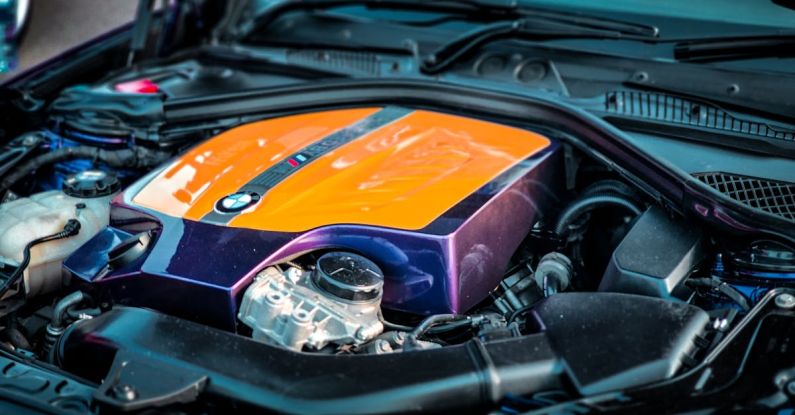
Turbocharged engines are a popular choice for many car enthusiasts due to their ability to produce more power from a smaller engine size. However, to ensure the longevity and performance of a turbocharged engine, proper maintenance is crucial. By following some best practices, you can keep your turbocharged engine running smoothly and efficiently for years to come.
Understanding the Basics of Turbocharged Engines
Before delving into maintenance practices, it’s important to have a basic understanding of how turbocharged engines work. In a turbocharged engine, a turbocharger is used to increase the air intake into the combustion chamber, allowing for more fuel to be burned and thus generating more power. This process creates additional stress on the engine components, making maintenance even more critical to prevent premature wear and potential damage.
Regular Oil Changes
One of the most important maintenance tasks for a turbocharged engine is regular oil changes. The turbocharger operates at high speeds and temperatures, causing the oil to break down more quickly than in a naturally aspirated engine. It is recommended to use high-quality synthetic oil that is designed for turbocharged engines and to follow the manufacturer’s recommended oil change intervals. Regular oil changes will help prevent oil sludge buildup, ensure proper lubrication of the turbocharger components, and extend the engine’s lifespan.
Cooling System Maintenance
The cooling system plays a crucial role in maintaining the optimal operating temperature of a turbocharged engine. To prevent overheating and potential damage to the turbocharger, it is essential to regularly check and maintain the cooling system components, including the radiator, coolant levels, hoses, and thermostat. Ensure that the cooling system is flushed and refilled according to the manufacturer’s recommendations to prevent corrosion and ensure efficient heat dissipation.
Monitor Boost Levels
Boost pressure is a key factor in the performance of a turbocharged engine. Monitoring the boost levels using a boost gauge can help you detect any irregularities that may indicate issues with the turbocharger or other engine components. Sudden drops or fluctuations in boost pressure could be a sign of a boost leak, wastegate malfunction, or other problems that require immediate attention. Keeping an eye on boost levels can help you identify issues early on and prevent more extensive damage to the engine.
Use High-Octane Fuel
To maximize the performance and efficiency of a turbocharged engine, it is recommended to use high-octane fuel. Higher-octane fuel has a higher resistance to pre-ignition, which is essential in turbocharged engines that operate at higher compression ratios and temperatures. Using lower-octane fuel can lead to knock or detonation, which can cause engine damage over time. Always use the fuel grade recommended by the manufacturer to ensure optimal performance and prevent potential issues.
Regular Inspections and Maintenance
In addition to the specific maintenance tasks mentioned above, regular inspections and maintenance of the entire engine system are essential for the longevity of a turbocharged engine. Check for any leaks, unusual noises, or performance issues that may indicate underlying problems. Inspect the turbocharger for signs of wear, damage, or oil leaks, and address any issues promptly to prevent further damage. Following the manufacturer’s recommended maintenance schedule and conducting routine check-ups can help you identify and address potential issues before they escalate.
Conclusion:
Maintaining a turbocharged engine requires attention to detail and adherence to best practices to ensure optimal performance and longevity. By following a regular maintenance routine, monitoring key components, and addressing any issues promptly, you can keep your turbocharged engine running smoothly and efficiently for years to come. Remember that proper maintenance is key to enjoying the full benefits of a turbocharged engine and avoiding costly repairs in the long run.