
When it comes to understanding how cars operate, one crucial component to consider is the transmission system. The transmission plays a vital role in transferring power from the engine to the wheels, allowing the vehicle to move forward or backward smoothly. There are various types of car transmissions available in the market, each with its own set of benefits and drawbacks. In this article, we will explore the different types of car transmissions to provide a better understanding of how they work and their applications in modern vehicles.
Automatic Transmission
Automatic transmissions are the most common type of transmission found in modern vehicles. This type of transmission operates using a hydraulic torque converter to shift gears automatically without the need for manual intervention. The driver simply needs to select the desired driving mode (park, reverse, neutral, or drive) and the transmission system takes care of the rest. Automatic transmissions are known for their ease of use and smooth shifting, making them ideal for everyday driving situations.
Manual Transmission
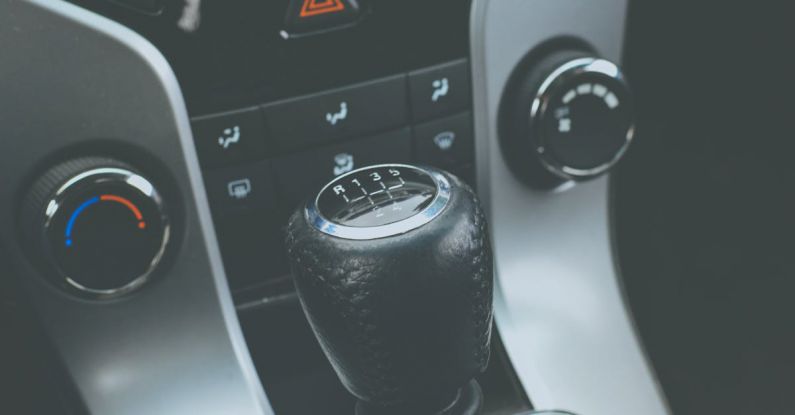
Manual transmissions, also known as stick shifts, require the driver to manually shift gears using a clutch pedal and gear shifter. This type of transmission gives the driver more control over the vehicle’s gears, allowing for a more engaging driving experience. Manual transmissions are often preferred by driving enthusiasts for their precise gear selection and the ability to maximize engine performance. While manual transmissions may require more skill to operate, they offer greater fuel efficiency compared to automatic transmissions.
Continuously Variable Transmission (CVT)
Continuously Variable Transmissions, or CVTs, are a type of transmission that offers an infinite number of gear ratios without discrete gear steps. Instead of traditional gears, CVTs use a system of pulleys and belts to vary the transmission ratio based on driving conditions. CVTs are designed to keep the engine operating at its most efficient speed, resulting in improved fuel economy. While CVTs are known for their smooth acceleration and seamless shifting, some drivers may find the lack of traditional gear changes less engaging.
Dual-Clutch Transmission (DCT)
Dual-Clutch Transmissions, or DCTs, combine the best of both manual and automatic transmissions. DCTs use two separate clutches for odd and even gears, allowing for quick and seamless gear changes without interrupting power delivery. This type of transmission provides the fuel efficiency of a manual transmission with the convenience of an automatic transmission. DCTs are often found in high-performance vehicles due to their fast and precise shifting capabilities, enhancing the overall driving experience.
Automated Manual Transmission (AMT)
Automated Manual Transmissions, or AMTs, are manual transmissions that have been automated for easier operation. AMTs use computer-controlled actuators to shift gears automatically, eliminating the need for a clutch pedal. While AMTs offer the fuel efficiency of manual transmissions, they may not provide the same level of smoothness as traditional automatic transmissions. AMTs are often found in entry-level vehicles or commercial trucks where cost-effective automation is preferred.
In conclusion,
Understanding the different types of car transmissions is essential for choosing the right vehicle that suits your driving needs and preferences. Whether you prefer the convenience of an automatic transmission, the control of a manual transmission, or the efficiency of a CVT, each type offers unique characteristics that cater to different driving styles. By exploring the various transmission options available, you can make an informed decision when purchasing a new vehicle.