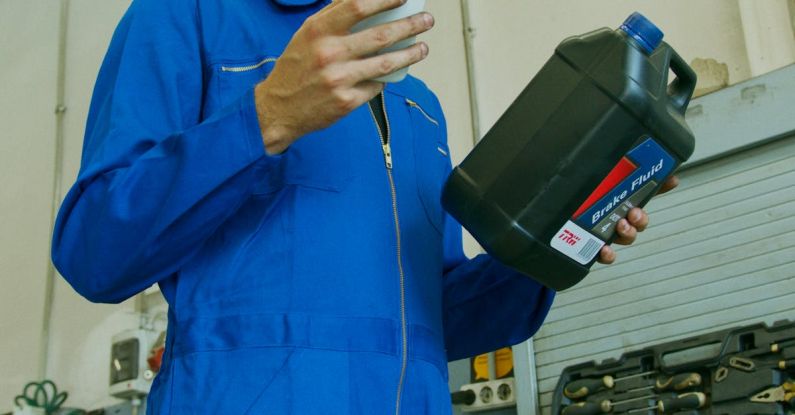

Brake fade is a common issue that many drivers experience, and it can be a serious safety concern. Understanding the causes of brake fade and how to prevent it is essential for maintaining optimal vehicle performance and ensuring your safety on the road.
### What Causes Brake Fade?
**Friction Material Overheating:** One of the primary causes of brake fade is the overheating of the friction material in the brake pads. When you apply the brakes, the friction between the brake pads and the rotor generates heat. If this heat is not properly dissipated, it can lead to the overheating of the brake pads, causing them to lose their effectiveness.
**Fluid Boiling:** Another common cause of brake fade is the boiling of the brake fluid. Brake fluid plays a crucial role in transferring the force from the brake pedal to the brake pads. When the brake fluid reaches its boiling point, it can form vapor bubbles, leading to a spongy feeling in the brake pedal and reduced braking performance.
**Brake System Contamination:** Contamination of the brake system with moisture, dirt, or debris can also contribute to brake fade. Moisture in the brake fluid can lower its boiling point, while dirt and debris can interfere with the proper functioning of the brake components, reducing their efficiency.
### How to Prevent Brake Fade
**Upgrade to High-Performance Brake Pads:** One effective way to prevent brake fade is to upgrade to high-performance brake pads. High-performance brake pads are designed to withstand higher temperatures and provide better stopping power, reducing the risk of brake fade.
**Use High-Quality Brake Fluid:** Using high-quality brake fluid with a high boiling point can also help prevent brake fade. High-performance brake fluids are less likely to boil under high temperatures, ensuring consistent brake performance even during intense driving conditions.
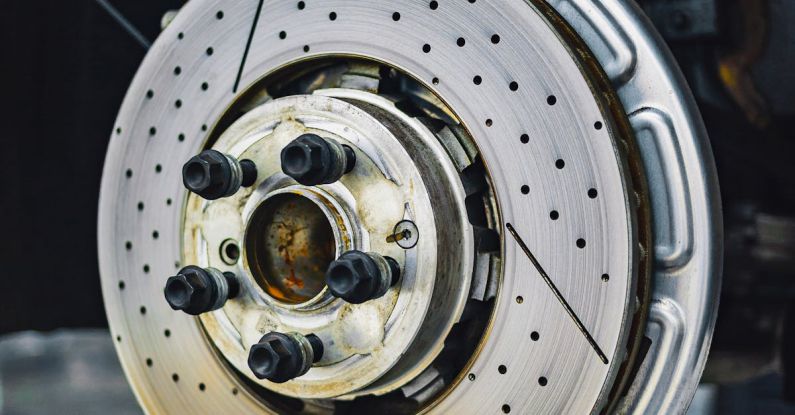
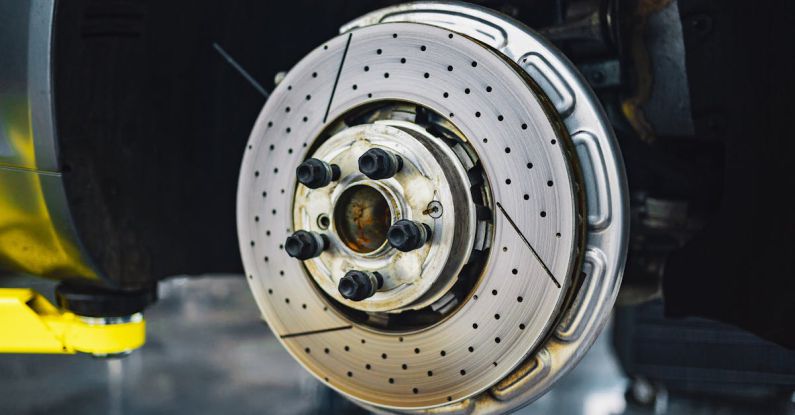
**Properly Maintain Your Brake System:** Regular maintenance of your brake system is essential for preventing brake fade. This includes checking the brake fluid level and quality, inspecting the brake pads and rotors for wear, and ensuring that all brake components are in good working condition.
**Avoid Heavy Braking:** Heavy or prolonged braking can generate excessive heat in the brake system, increasing the risk of brake fade. To prevent this, try to avoid aggressive driving habits and use engine braking or downshifting when approaching a stop instead of relying solely on the brakes.
**Allow for Cool Down Periods:** After driving in stop-and-go traffic or engaging in intense driving activities, allow your brakes to cool down before continuing to drive. This can help prevent the buildup of heat in the brake system and reduce the risk of brake fade.
**Properly Bed-In New Brake Pads:** When installing new brake pads, it is essential to properly bed them in to ensure optimal performance and prevent brake fade. Follow the manufacturer’s recommendations for bedding in new brake pads to allow them to conform to the shape of the rotor and achieve maximum contact and friction.
### In Summary
Brake fade can be a serious safety concern, but by understanding its causes and taking preventive measures, you can minimize the risk of experiencing it. Upgrading to high-performance brake pads, using high-quality brake fluid, maintaining your brake system, avoiding heavy braking, allowing for cool down periods, and properly bedding in new brake pads are effective ways to prevent brake fade and ensure your safety on the road. By following these tips, you can enjoy consistent braking performance and peace of mind during your drives.