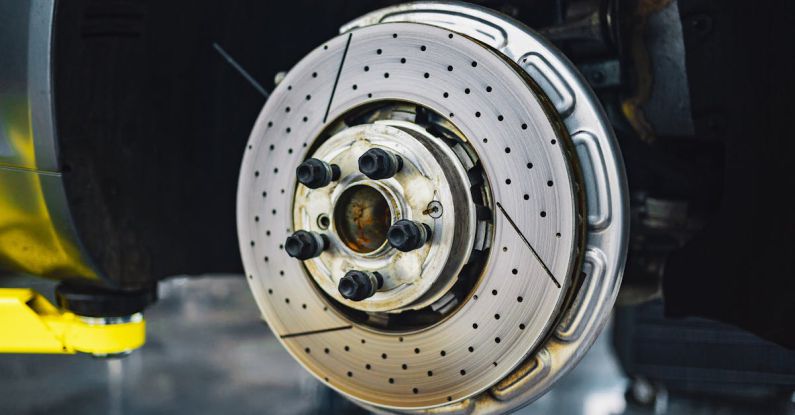
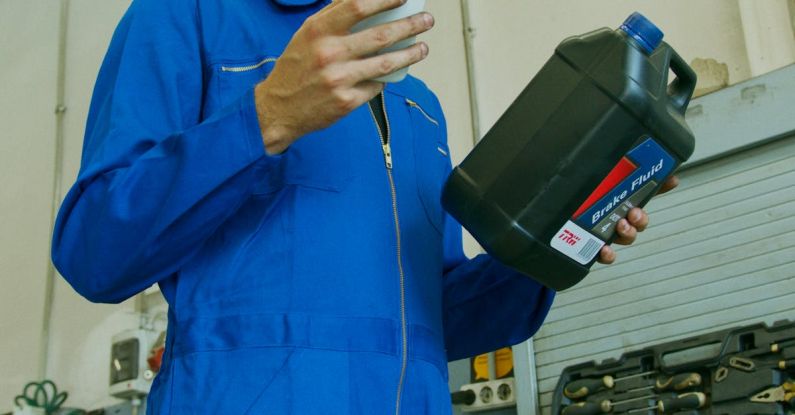
One of the most crucial components of a vehicle’s braking system is the brake fluid. It plays a vital role in ensuring that your car can come to a stop safely and efficiently. Over time, brake fluid can become contaminated or depleted, which can compromise the effectiveness of your brakes. Regularly checking and refilling your brake fluid is essential for maintaining optimal brake performance and ensuring your safety on the road.
**Why is Brake Fluid Important?**
Brake fluid is a hydraulic fluid that transfers the force of your foot on the brake pedal to the brake pads, allowing your vehicle to slow down and stop. It operates under high temperatures and pressure, making it susceptible to degradation over time. Contaminated or old brake fluid can lead to decreased braking performance, spongy brakes, or even brake failure in extreme cases. That’s why it’s crucial to monitor the condition of your brake fluid and top it up when necessary.
**How to Check Brake Fluid**
To check your brake fluid level, follow these simple steps:
1. **Locate the Brake Fluid Reservoir:** The brake fluid reservoir is typically located near the back of the engine compartment, close to the windshield. It is a translucent plastic container with “Min” and “Max” markings on the side.
2. **Inspect the Fluid Level:** Remove the reservoir cap and visually inspect the fluid level against the “Max” and “Min” markings. The fluid level should be between these two markers. If it’s below the “Min” line, it’s time to add more brake fluid.
3. **Check the Color and Condition:** Additionally, pay attention to the color of the brake fluid. Fresh brake fluid is usually light yellow or clear. If the fluid appears dark, cloudy, or contains debris, it’s an indication that it needs to be replaced.
**How to Refill Brake Fluid**
If you find that your brake fluid level is low, here’s how you can safely refill it:
1. **Choose the Right Brake Fluid:** Refer to your vehicle’s owner’s manual to determine the type of brake fluid recommended for your car. Using the wrong type of fluid can damage your braking system.
2. **Prepare the Area:** Before opening the brake fluid reservoir, clean the area around the cap to prevent any dirt or debris from entering the system.
3. **Add the Brake Fluid:** Slowly pour the brake fluid into the reservoir, being careful not to spill any on the engine components. Fill the reservoir to the “Max” line, but avoid overfilling.
4. **Secure the Cap:** Once you’ve added the necessary amount of brake fluid, securely fasten the reservoir cap to prevent any contaminants from entering the system.
**Tips for Maintaining Brake Fluid**
– Check your brake fluid regularly, especially before long drives or when you notice any changes in braking performance.
– If you’re unsure about checking or refilling your brake fluid, consult a professional mechanic for assistance.
– Avoid mixing different types of brake fluid as it can cause damage to your braking system.
**In Summary**
Regularly checking and refilling your brake fluid is a simple yet crucial maintenance task that can help ensure your safety on the road. By following these steps and tips, you can maintain your braking system’s performance and peace of mind knowing that your brakes are in optimal condition. Remember, when it comes to your safety, it’s always better to be proactive than reactive.