The braking system of a car is a critical component that ensures the safety of both the driver and passengers. Understanding the key components of a car’s braking system is essential for maintaining and troubleshooting potential issues. From brake pads to brake fluid, each part plays a vital role in the proper functioning of the braking system.
Brake Pads
Brake pads are one of the most crucial components of a car’s braking system. These pads are made of friction material that presses against the brake rotor when the brake pedal is applied. The friction created between the brake pads and the rotor helps to slow down and stop the vehicle. Over time, brake pads wear down and need to be replaced to maintain optimal braking performance.
Brake Rotors
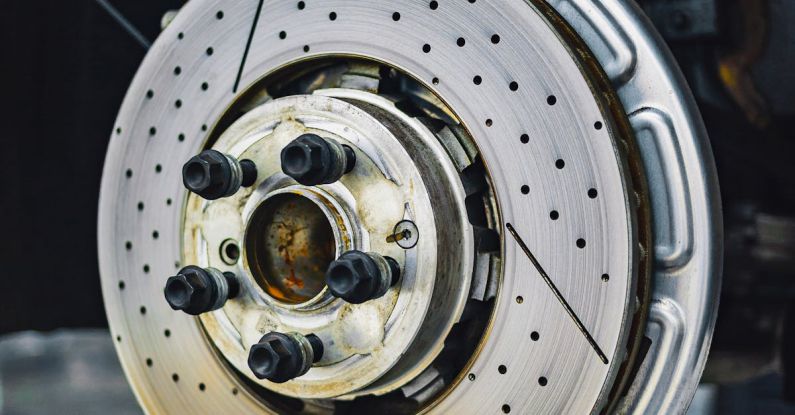
Brake rotors, also known as brake discs, are flat, round metal discs that are mounted to the wheel hub. When the brake pads press against the rotors, the resulting friction slows down the vehicle. Like brake pads, brake rotors can wear down over time due to heat and friction. It is essential to regularly inspect the brake rotors for signs of wear and tear and replace them if necessary to ensure smooth braking.
Brake Calipers
Brake calipers are the components that house the brake pads and apply pressure to them when the brake pedal is pressed. The calipers are typically located near the wheels and are responsible for squeezing the brake pads against the rotors to create the friction needed to stop the vehicle. If the calipers become damaged or worn out, they can affect the performance of the braking system and should be replaced promptly.
Brake Lines
Brake lines are the conduits that carry brake fluid from the master cylinder to the brake calipers. These lines are typically made of metal or flexible rubber and are essential for transmitting hydraulic pressure to the brake components. It is crucial to regularly inspect the brake lines for any signs of corrosion, leaks, or damage. Damaged brake lines can lead to brake failure and should be replaced immediately.
Master Cylinder
The master cylinder is a vital component of the braking system that converts the pressure applied to the brake pedal into hydraulic pressure. When the brake pedal is pressed, the master cylinder forces brake fluid through the brake lines to the calipers, which then apply pressure to the brake pads. A malfunctioning master cylinder can lead to spongy brakes or brake failure and should be inspected and replaced if necessary.
Brake Fluid
Brake fluid is a hydraulic fluid that transmits the pressure from the master cylinder to the brake components. It is essential to use the manufacturer-recommended brake fluid and regularly check the fluid level and condition. Over time, brake fluid can become contaminated or deteriorate, affecting the performance of the braking system. Regularly flushing and replacing the brake fluid is essential for maintaining optimal braking performance.
In conclusion, the key components of a car’s braking system work together to ensure safe and reliable braking performance. Regular inspection, maintenance, and prompt replacement of worn or damaged parts are essential for the longevity and effectiveness of the braking system. By understanding the role of each component and taking proper care of them, drivers can ensure their safety on the road.