
Brakes are one of the most crucial components of any vehicle, ensuring your safety on the road. However, over time, brakes can develop issues that require attention to prevent accidents and maintain optimal performance. Identifying and fixing common brake problems promptly can save you time, money, and potentially prevent dangerous situations on the road. In this article, we will discuss some common brake problems that drivers may encounter and how to address them effectively.
Signs of Brake Problems
One of the first steps in fixing brake issues is to identify the signs that indicate a problem. Being aware of these signs can help you take action before the problem escalates. Some common signs of brake problems include:
– Squeaking or squealing noises when applying the brakes
– Vibrations or pulsations in the brake pedal
– Reduced responsiveness or a spongy feeling when braking
– Pulling to one side when braking
– Grinding or growling noises when braking
– Dashboard warning lights related to the brake system
If you experience any of these symptoms while driving, it is essential to address them promptly to ensure the safety and performance of your vehicle.
Diagnosing Brake Issues
When faced with brake problems, it is crucial to diagnose the issue accurately before attempting any repairs. Here are some steps to help you identify the root cause of common brake problems:
– Start by listening for any unusual noises when applying the brakes. Squeaking, grinding, or growling noises can indicate worn brake pads or rotors.
– Pay attention to the brake pedal’s responsiveness. A spongy or soft brake pedal may indicate air in the brake lines or a brake fluid leak.
– Check for vibrations or pulsations in the brake pedal, which could be a sign of warped brake rotors.
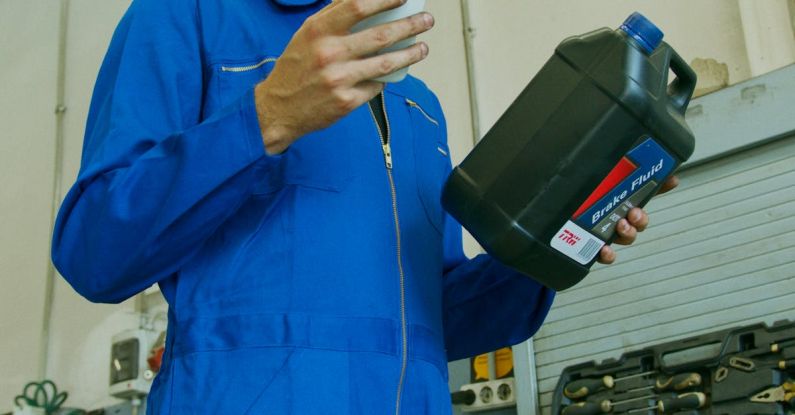
– Inspect the brake fluid level and quality. Low brake fluid levels or contaminated fluid can affect brake performance.
– Look for signs of uneven wear on the brake pads or rotors, which may require replacement.
Fixing Common Brake Problems
Once you have identified the specific brake issue, it is essential to address it promptly to ensure your safety on the road. Here are some common brake problems and how to fix them:
Worn Brake Pads: If you notice squeaking or grinding noises when braking, it may be time to replace your brake pads. Worn brake pads can reduce braking performance and increase stopping distances. To fix this issue, you will need to remove the old brake pads and install new ones following the manufacturer’s guidelines.
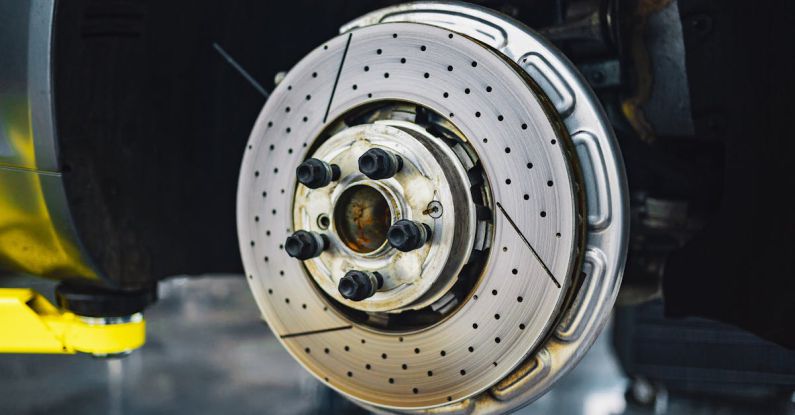
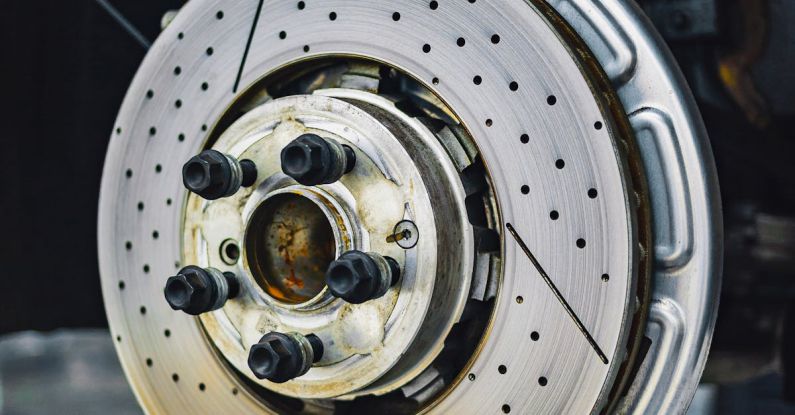
Warped Brake Rotors: Vibrations or pulsations in the brake pedal can indicate warped brake rotors. Warped rotors can affect braking performance and lead to uneven wear on the brake pads. To fix this issue, you may need to resurface or replace the brake rotors to restore optimal braking performance.
Brake Fluid Leak: A soft or spongy brake pedal may indicate a brake fluid leak or air in the brake lines. To fix this issue, you will need to locate the source of the leak and repair it. After fixing the leak, you may need to bleed the brake system to remove any air and restore proper brake pedal feel.
Conclusion
Maintaining your vehicle’s brakes in optimal condition is essential for your safety on the road. By being aware of common brake problems and how to address them effectively, you can ensure that your brakes perform at their best when you need them the most. Remember to address any brake issues promptly and seek professional help if needed to keep your vehicle in top condition and prevent accidents.