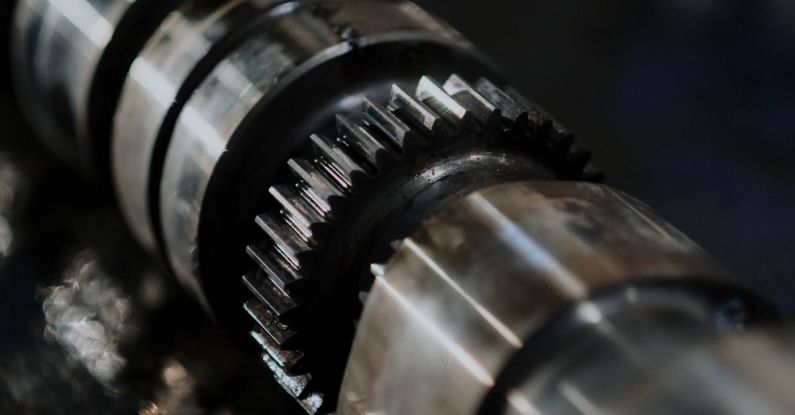
Installing a new engine camshaft is a crucial task for any car enthusiast or mechanic looking to enhance their vehicle’s performance. The camshaft plays a vital role in controlling the opening and closing of the engine valves, ultimately affecting the engine’s power and efficiency. In this guide, we will walk you through the steps to successfully install a new engine camshaft.
Choosing the Right Camshaft
Before diving into the installation process, it is essential to select the right camshaft for your vehicle. Different camshafts offer varying levels of performance based on factors such as lift, duration, and overlap. Consider your driving needs and the specifications of your engine to determine the best camshaft for your vehicle.
Gather the Necessary Tools and Parts
To begin the installation process, gather all the necessary tools and parts. You will need a set of wrenches, sockets, screwdrivers, a torque wrench, gasket scraper, engine oil, and, most importantly, the new camshaft. Ensure that you have all the required components before starting the installation to avoid any delays or interruptions.
Prepare the Engine
To access the camshaft, you will need to remove several components from the engine. Start by disconnecting the battery to prevent any electrical mishaps. Remove the valve covers, rocker arms, pushrods, and timing chain or belt. Make sure to keep track of all the components and their placement to facilitate reassembly later.
Remove the Old Camshaft
Once the engine is prepared, you can proceed to remove the old camshaft. Loosen the camshaft bearings and carefully slide out the old camshaft from the engine block. Take note of the orientation of the camshaft and any specific markings for proper alignment during the installation of the new camshaft.
Install the New Camshaft
Before installing the new camshaft, lubricate it with engine oil to ensure smooth operation and prevent premature wear. Carefully insert the new camshaft into the engine block, aligning it with the bearing journals. Double-check the alignment to avoid any misalignment issues that could damage the engine.
Reassemble the Engine Components
Once the new camshaft is in place, begin reassembling the engine components in the reverse order of removal. Install the timing chain or belt, pushrods, rocker arms, and valve covers. Make sure to torque down all the bolts to the manufacturer’s specifications to prevent any leaks or malfunctions.
Check and Adjust Timing
After reassembly, it is crucial to check and adjust the timing of the camshaft. Use a timing light to ensure that the camshaft is synchronized with the crankshaft for optimal engine performance. Make any necessary adjustments to the timing to achieve the desired specifications.
Start the Engine and Test
With the new camshaft installed and timing adjusted, start the engine to test its operation. Listen for any unusual noises or vibrations that could indicate a problem with the camshaft installation. If everything sounds normal, allow the engine to run for a few minutes to ensure that it is functioning correctly.
Conclusion:
Installing a new engine camshaft is a challenging but rewarding task that can significantly impact your vehicle’s performance. By following the steps outlined in this guide and taking the time to select the right camshaft for your needs, you can enhance your engine’s power and efficiency. Remember to double-check your work and test the engine thoroughly before hitting the road to enjoy the benefits of your new camshaft.