When it comes to boosting the performance of an engine, turbochargers and superchargers are two popular options that enthusiasts often consider. Both of these devices serve the same purpose of increasing an engine’s power output, but they go about it in slightly different ways. Understanding the key differences between turbochargers and superchargers can help you make an informed decision when it comes to upgrading your vehicle’s performance.
**Turbochargers: Harnessing Exhaust Gas Energy**
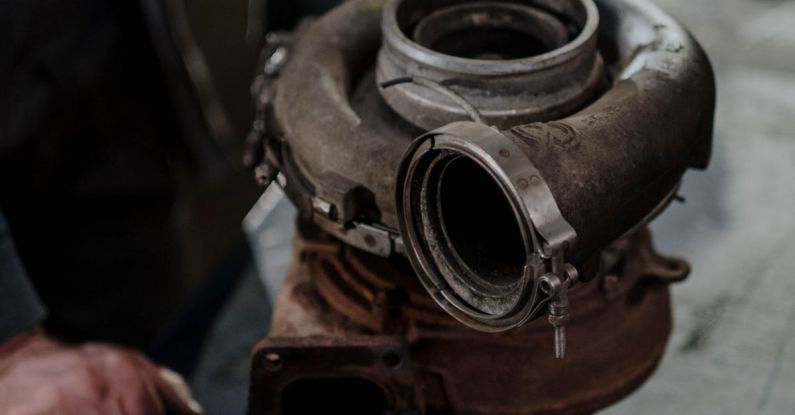
Turbochargers operate on a simple principle: harnessing the energy from exhaust gases to drive a turbine that compresses incoming air. This compressed air is then forced into the engine’s cylinders, allowing more air and fuel to be burned, resulting in increased power output. Turbochargers are known for their efficiency in utilizing waste energy from the engine to produce more power, making them a popular choice for modern high-performance vehicles.
**Superchargers: Direct Power Delivery**
Superchargers, on the other hand, are mechanical compressors that are directly driven by the engine, usually via a belt or gear mechanism. Unlike turbochargers, which rely on exhaust gases, superchargers provide an immediate boost in power by compressing air and delivering it directly to the engine. This direct power delivery means that superchargers are often associated with instant throttle response and linear power delivery, making them a preferred choice for those looking for quick acceleration and consistent power output.
**Boost Delivery**
One of the key differences between turbochargers and superchargers is how they deliver boost. Turbochargers are known for their characteristic “turbo lag,” which refers to the delay in boost delivery that occurs due to the time it takes for exhaust gases to spin the turbine and compress the air. On the other hand, superchargers provide instant boost as they are mechanically driven by the engine, resulting in immediate power delivery without any noticeable lag.
**Efficiency**
When it comes to efficiency, turbochargers are often considered more fuel-efficient than superchargers. Since turbochargers utilize waste energy from the exhaust gases, they can increase power without requiring additional fuel consumption. Superchargers, on the other hand, draw power directly from the engine to operate, which can result in increased fuel consumption compared to naturally aspirated engines.
**Installation and Maintenance**
In terms of installation and maintenance, superchargers are generally easier to install as they have fewer components and do not require complex exhaust modifications. Turbochargers, on the other hand, may require more intricate installation due to the need for exhaust manifold modifications and additional cooling systems. When it comes to maintenance, superchargers are often considered more straightforward to maintain, requiring regular belt checks and occasional oil changes, while turbochargers may require more attention to components such as intercoolers and wastegates.
**Choosing the Right Option**
When deciding between a turbocharger and a supercharger, it ultimately comes down to your preferences and the specific requirements of your vehicle. If you prioritize immediate power delivery and throttle response, a supercharger may be the better choice for you. On the other hand, if you are looking for efficiency and increased power without sacrificing fuel economy, a turbocharger could be the ideal option.
**In Summary**
Both turbochargers and superchargers offer unique advantages and considerations when it comes to boosting engine performance. Turbochargers harness exhaust gas energy for increased efficiency, while superchargers provide immediate power delivery and throttle response. Understanding the differences between these two forced induction systems can help you make an informed decision when it comes to enhancing your vehicle’s performance.