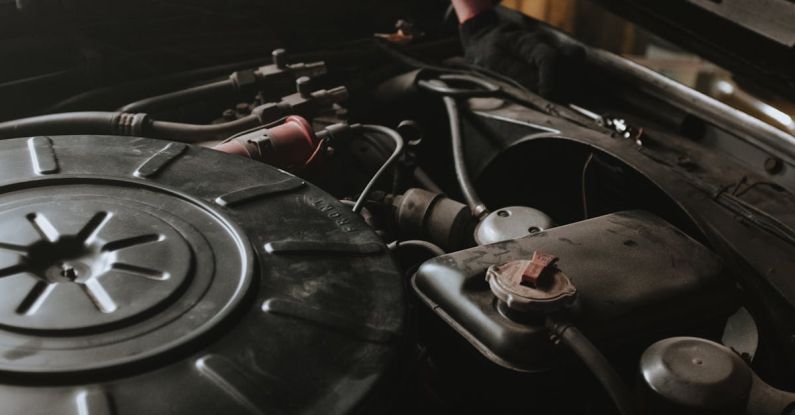
Keeping your car running smoothly involves regular maintenance, and one crucial component that often gets overlooked is the air filter. A clean air filter is essential for the optimal performance of your vehicle’s engine. Not only does it improve fuel efficiency, but it also ensures that your engine receives clean air, which is vital for its longevity. In this article, we will discuss how to properly clean and maintain your car’s air filter to keep your vehicle running at its best.
Signs of a Dirty Air Filter
Before we delve into the cleaning process, it’s important to understand the signs that indicate your car’s air filter needs attention. If you notice a decrease in your vehicle’s fuel efficiency, a rough idle, or a reduction in engine power, it could be due to a dirty air filter. Additionally, a visibly dirty or clogged air filter is a clear indication that it needs to be cleaned or replaced.
Inspecting the Air Filter
The first step in maintaining your car’s air filter is to locate it. The air filter is typically housed in a rectangular or circular box near the engine. Refer to your vehicle’s owner’s manual for the exact location. Once you’ve located the air filter, remove it from its housing and inspect it for dirt, debris, or damage. If the filter appears dirty or clogged, it’s time to clean it.
Cleaning the Air Filter
Cleaning your car’s air filter is a relatively simple process that can be done at home with a few basic tools. Start by gently tapping the filter against a hard surface to dislodge any loose debris. Next, use a vacuum cleaner with a brush attachment to remove any remaining dirt or dust. If the filter is heavily soiled, you can also wash it with water and a mild detergent. Be sure to allow the filter to dry completely before reinstalling it in your vehicle.
Replacing the Air Filter
In some cases, cleaning the air filter may not be sufficient, especially if it is old or severely clogged. If you find that the filter is beyond cleaning, it’s time to replace it with a new one. Air filters are relatively inexpensive and can be purchased at most auto parts stores. Refer to your owner’s manual or consult a mechanic to ensure you purchase the correct filter for your vehicle.
Maintaining a Clean Air Filter
To ensure that your car’s air filter remains in good condition, it’s important to inspect and clean it regularly. Experts recommend checking the air filter every 12,000 to 15,000 miles or at least once a year. However, if you frequently drive in dusty or polluted environments, you may need to inspect and clean the filter more often.
Protecting Your Engine
By keeping your car’s air filter clean and well-maintained, you not only improve your vehicle’s performance but also protect your engine from premature wear and damage. A dirty air filter can allow dirt and debris to enter the engine, leading to increased engine wear and potentially costly repairs down the line. Regularly cleaning or replacing your air filter is a simple yet effective way to prolong the life of your engine and keep your car running smoothly.
Conclusion: A Breath of Fresh Air for Your Car
Maintaining your car’s air filter is a straightforward task that can have a significant impact on your vehicle’s performance and longevity. By regularly inspecting, cleaning, and replacing the air filter as needed, you can ensure that your engine receives clean air, leading to improved fuel efficiency and reduced wear and tear. So, give your car a breath of fresh air by taking care of its air filter regularly, and enjoy a smoother and more efficient driving experience.